
Comprehensive Guide to Cost Factors for Hand Engraving
Hand engraving is a timeless art that transforms ordinary objects into extraordinary keepsakes. Whether you are considering a personalized gift or a corporate award, understanding the pricing behind hand engraving helps you make informed decisions. This guide will walk you through the essential cost factors for hand engraving, offering clarity and confidence as you explore this beautiful craft.
Understanding Cost Factors for Hand Engraving
When it comes to hand engraving, several elements influence the final price. These factors reflect the skill, time, and materials involved in creating a unique piece just for you. Here are the primary cost drivers:
Complexity of the Design: Intricate patterns or detailed images require more time and precision, increasing the cost.
Size of the Engraving Area: Larger surfaces take longer to engrave, which naturally raises the price.
Type of Material: Different materials like metal, wood, glass, or leather vary in difficulty and tool requirements.
Depth of Engraving: Deeper engravings demand more effort and time, affecting the overall cost.
Customization Level: Personalized text, logos, or unique designs add to the complexity and price.
Artist’s Experience: Skilled artisans with years of practice may charge more for their expertise.
By understanding these factors, you can better appreciate the value behind each hand-engraved piece and choose options that fit your budget and vision.

How to Charge for Engraving?
If you are considering offering hand engraving services or simply want to understand pricing better, knowing how to charge is crucial. Here are some common methods professionals use:
Hourly Rate
Charging by the hour is straightforward. The rate depends on the engraver’s skill level and the complexity of the work. For example, a simple name engraving might take 30 minutes, while a detailed emblem could take several hours.
Per Letter or Per Line
This method works well for text-based engravings. You might charge a fixed price per letter or per line of text. This approach is easy to estimate and transparent for clients.
Flat Rate for Standard Designs
For common designs or frequently requested patterns, a flat rate can simplify pricing. This is ideal for corporate clients ordering multiple awards with the same design.
Material-Based Pricing
Some engravers adjust prices based on the material’s hardness or value. For instance, engraving on stainless steel might cost more than on softer wood.
Combination Pricing
Many professionals combine these methods, charging a base fee plus additional costs for complexity or size.
When setting your prices or evaluating quotes, consider the time, skill, and materials involved. Clear communication about pricing helps avoid surprises and builds trust.
Materials and Their Impact on Pricing
The choice of material significantly affects hand engraving costs. Each material presents unique challenges and requires specific tools and techniques.
Metals: Precious metals like gold and silver are more expensive to engrave due to their value and softness. Stainless steel and titanium require more effort because of their hardness.
Wood: Softer woods are easier and quicker to engrave, while hardwoods take more time and skill.
Glass and Crystal: These materials need delicate handling to avoid cracks, often increasing the price.
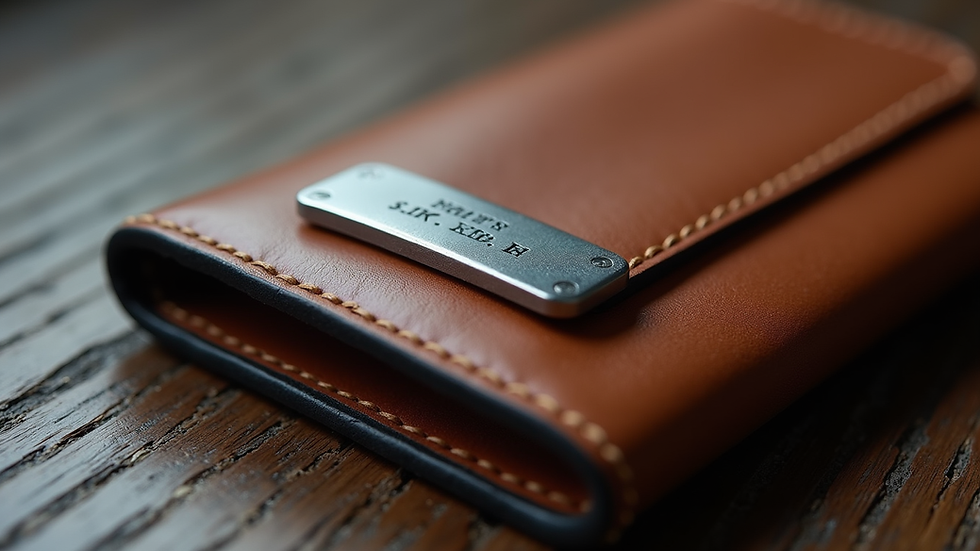
Leather: Engraving on leather involves different tools and techniques, usually priced based on the size and detail.
Choosing the right material depends on your budget and the desired look. Discuss options with your engraver to find the best fit for your project.

Time and Labor: The Heart of Hand Engraving Pricing
Hand engraving is a labor-intensive process. The time spent on each piece directly influences the cost. Here’s why:
Preparation: Designing and planning the engraving takes time, especially for custom work.
Engraving Process: The actual engraving requires steady hands and concentration. Complex designs can take hours or even days.
Finishing Touches: Polishing and cleaning the engraved item add to the labor involved.
For example, a simple monogram on a pen might take 15-30 minutes, while a detailed family crest on a plaque could require several hours. The more time invested, the higher the price, but also the more exquisite the result.
Tips for Getting the Best Value in Hand Engraving
To ensure you receive beautiful, lasting engravings without overspending, consider these practical tips:
Be Clear About Your Design: Provide detailed instructions or sketches to avoid revisions.
Choose the Right Size: Larger engravings cost more, so balance size with your budget.
Select Suitable Materials: Discuss material options with your engraver to find cost-effective choices.
Plan Ahead: Custom work takes time. Allow enough lead time to avoid rush fees.
Request a Quote: Always ask for a detailed estimate before committing.
By following these guidelines, you can enjoy personalized engravings that perfectly suit your needs and budget.
For a deeper dive into pricing details, you might find this hand engraving pricing guide helpful.
Crafting Memories with Hand Engraving
Hand engraving is more than just decoration - it is a way to capture memories, celebrate milestones, and create heirlooms. Whether you are personalizing a gift or recognizing achievement, understanding the cost factors helps you appreciate the artistry and care involved.
Investing in hand engraving means investing in a unique story told through meticulous craftsmanship. With this knowledge, you are well-equipped to choose the perfect engraving that will be treasured for years to come.


Comments